Outdoor Classroom
NHSP Kitchen Lab
The New Horizon Peace Garden was established with four key goals including STEM Proficiency, Environmental Stewardship and Nature Appreciation, Community-building, and Farm-to-Table. The Culinary Arts program through the Silk Road Kitchen Lab is the natural extension of the Farm-to-Table goal.
Farm-to-Table
Farm-to-Table programs aim to help students understand where their food comes from and how their food choices can impact their health, environment, and community. According to the U.S. National Farm to School Network, “specific benefits include an increased knowledge and awareness of gardening, agriculture, healthy eating, local foods and seasonality, greater fruit and vegetable consumption both at school and at home, and enhanced overall academic achievement.” (Foodtank, October 2017)
“We are absolutely seeing greater use of cooking classes as an educational tool in schools across the country, particularly when it comes to teaching nutrition education,” said Deborah Kane, director of the USDA’s Office of Community Food Systems, which oversees the national Farm to School Program.
With a direct connection between growing and then cooking their food, the goal is to develop the students’ knowledge of and preference for fresh fruits and vegetables. This will help develop healthy eating habits early enough to reduce the likelihood of chronic conditions such as obesity, diabetes, cancer and heart disease.
Culinary Program
In the current garden program, students are learning about preparing the soil, planting, sowing, and harvesting a variety of crops. In the culinary extension to the program through the Silk Road Kitchen Lab, students will explore preparing, cooking and eating the foods they harvest.
In addition to nutrition, this program integrates reading, math, science, history, social studies, and other subjects. Students enjoy real-world experiences and practice the 21st century skills of communication, collaboration, critical thinking, and creativity while experimenting and working together in a kitchen lab setting.
The culinary program fosters essential life skills of cooking and using kitchen tools, develops social skills, and builds confidence and self-esteem. The kitchen lab exposes students to the many creative ways to prepare nutritional foods and excite the taste buds. Cooking with Kids in the School Garden
https://njaes.rutgers.edu/fs1244/
With a student population coming from diverse cultures along the Silk Road, the Kitchen Lab is the perfect place to celebrate foods that celebrate the historic exchange of plants, food, and culture from China to South Asia to the Middle East to Africa and to Europe.
Student Outcomes
Students will be able to:
- Use the garden harvests to prepare nutritional and tasty dishes
- Practice cooking skills in the preparation of a variety of recipes and modes of cooking
- Explain the timing of various produce according to seasons and the nutritional value of the fruits and vegetables they prepare
- Work collaboratively with their classmates to prepare the ingredients, follow or create their own recipes, and clean up their stations
- Convert waste from their food preparation into fertilizer through composting
- Follow safety guidelines when working with various utensils and heat sources in the kitchen lab
Silk Road Kitchen Lab Design
The garden’s kitchen lab will require the following components:
- Heating Sources: Hot plates, toaster oven
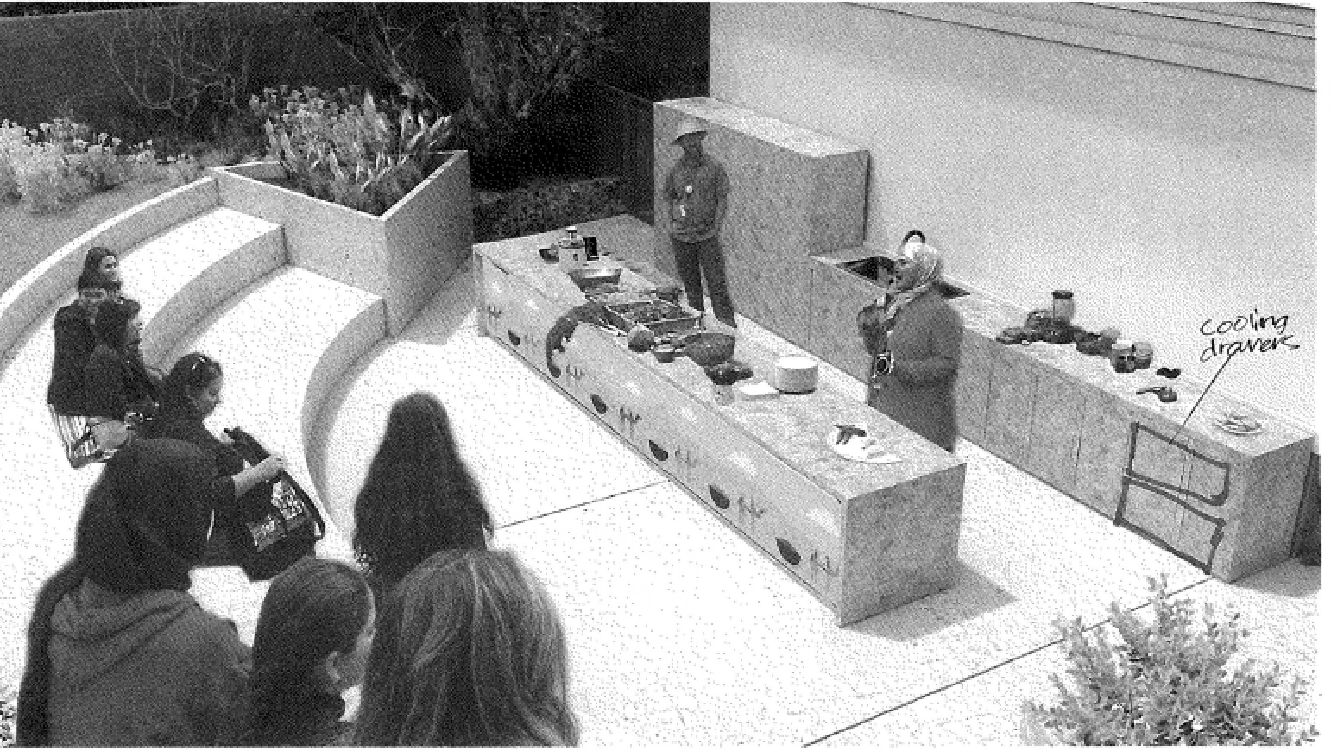
- Cooling Sources: cooling drawers
- Water Sources: 1–2 sinks for washing the produce and cleaning utensils
- Preparation Areas: surfaces that are easily cleaned and disinfected for food preparation
- Storage Areas: areas for cooking utensils (see equipment list), spices and other food items (e.g., oil, vinegar, etc.), aprons and towels, and reusable dishes and cutlery
- Teachable Island: an extension of the lab will be a teaching station to demonstrate techniques to the students as they prepare recipes
- Other requirements: the sink and other cooking areas should be accessible to students of various heights; the lab should be able to be locked and secured when not in use
Equipment
At minimum, the following utensils and equipment will be needed for the kitchen lab:
● Food Processor ● Hand Immersion Blender ● Pots & Pans ● Mixing Bowls ● Salad Spinner ● Colarnder ● Flexible Cutting Boards ● Knives: Chef Knife, Bread Knife, Paring Knives ● Graters & Peelers ● Measuring Spoons & Cups ● Miscellaneous Tools: Whisks, Spatulas, Basting ● Miscellaneous Gadgets: Garlic Press, Timer, Veggie Brush, Can Opener ● Tablecloths & Reusable Dishes & Cutlery ● Oil, Vinegar, Various Herbs & Spices, Salt & Pepper ● Sponge, Dish Soap, and Dish Towels
Staffing
At present, a number of faculty, along with the Learning Naturalist, are conducting informal cooking classes in the classroom or teachers’ lounges for students to use the produce from the garden as it connects to units or themes in their curriculum. However, with the addition of the Kitchen Lab, it will be even more effective for the students’ learning to enlist the expertise of area chefs to conduct classes with students.
Scheduling
The pedagogy team will be examining the curricular goals of the school’s overall educational program to determine the time allocation given to the culinary program. Once this is defined clearly, cooking classes will be incorporated into the students’ schedules.
Teaching and Learning Resources
Cooking with Kids in the School Garden
https://njaes.rutgers.edu/fs1244/
Safety Protocols
An important lesson in the culinary program is reviewing safety protocols. These protocols are to be discussed with students in their first lesson in the culinary arts program. They will review safety guidelines for handling food and safety guidelines for avoiding injury in the kitchen. Please note: the kitchen will have a fire extinguisher in the kitchen area for use if needed.
Avoiding Injury
- When using a knife, students will not point the knife at any other person or move about the kitchen with the tip of the knife pointing forward. Proper instructions for carrying a knife from place to place will be given during the first day of class.
- When cleaning a knife, the blade will be held away from the hand and will be wiped from the dull side of the blade only. Knives are not to be placed in a sink with other dirty dishes. A dirty knife should be placed on the side of the sink.
- When using a cutting board, the board should be secured to the countertop with a moist towel underneath it.
- All hot plates should be turned on only when there is a pot on the burner and an adult present.
- Oven mitts or potholders should be used when reaching into a hot oven to remove an item. Using a damp/wet towel will result in a burn.
- If a spill occurs in a kitchen, the floor must be cleaned up immediately. Water should be wiped up with paper towels, while other foods should be mopped.
- There should be no horseplay or other inappropriate behavior in the kitchen. This includes throwing food, pushing or shoving a group mate, or any other behavior that could jeopardize the safety of the class.
- There will be no shouting, screaming or loud conversation during kitchen lab.
- Kitchen equipment and utensils will be used only for their proper purposes. The right tool for the job should be used at all times.
- Follow all other rules as directed by the teacher.
Hygiene and Food Safety
- Wash your hands before you start cooking. Wash them during cooking as well e.g., after sneezing, touching your face or going to the washroom.
- Don’t sample food or lick your fingers during cooking. Wait until food is cooked before tasting.
- Use a waterproof bandage and a glove if you have an open wound on your hand.
- Clean as you go. Wash hands, surfaces and kitchen utensils.
- Wash all vegetables and fruit under running water before using them. Use a scrub brush to clean those with thick skin such as potatoes, carrots, melons.
- Keep raw foods like meat and poultry separate from foods that are cooked or ready-to-eat.
- Store all perishable foods in a fridge or in a cooler with ice packs until you need to use them. This will keep foods out of the temperature danger zone where bacteria can grow quickly.
- Make sure perishable foods don’t sit at room temperature for more than 2 hours before refrigerating them. Don’t keep food at room temperature for more than one hour on warmer days.
Safety Resources
https://classroom.kidshealth.org/classroom/3to5/personal/safety/food_safety.pdf
Note: Fire extinguisher will accessible to adults supervising students in the kitchen area.
Follow-up Questions
-
What are the permit requirements for the installation?
Per LA Custom Grill Islands: “Our style islands do not require permits because they are not considered a permanent structure to the property. However, if the island was bolted to the building or the ground, which it will not, then it falls under the permanent structure classification and would require a permit. Rest-assured, the weight of the island and the equipment in it prevents it from moving. If the island was being built using cinder block, then it’s considered a permanent structure and requires permits. Our islands are considered prefabricated islands (manufactured islands) and are exempt.” [Brock Lorentzen, 5-8-23]
LA Custom Grill Islands
Business License (this business is not a licensed contractor; they are in the business of building custom islands which are not permanent installations per classification)
-
Is a food permit needed?
Pasadena Public Health Department does not require the school to submit any plans for this project. [Jesse Easter, Plan Reviewer, PPHD 5-24-23]
Note: The school will be installing a feature to the plumbing for the sink area to allow for warm/hot water to be used in the kitchen area.
-
Is the food preparation cold prep only or will there be hot prep, if hot prep is planned, what are the safety measures for that?
Food preparation can be either hot or cold. The teachers will review safety protocols in handling hot food and utensils.
-
What is the hygiene plan for the food prep area?
Per Hygiene and Food Safety guidelines, students will be expected to clean throughout the cooking process and to use soap and water after using the cooking surfaces.
Students will be instructed to wash their hands prior to any food prep and to wash fruits and vegetables under running water.
-
How will all surfaces be protected from the elements and only accessible during time of use?
Counters will remain available for use as both a kitchen and as a learning space. The surfaces will require cleaning prior to use.
-
Will the counters attract the homeless to abuse the space, what are the protective measures for that?
All cabinets will be locked. The water will also be lockable. All appliances will be inside cabinets which will be locked. Any electrical outlets will also be covered and locked while not in use.
-
Will the island create a tightness in the space that may constrict the flow for large gatherings or emergency evacuations?
Per Pasadena Fire Department, the kitchen design and ability to evacuate in an emergency is “not an issue.” [Trey Sorensen, Fire Captain, 5-8-23]
-
What are the additional insurance requirements for the school?
Per Philadelphia Insurance Company representatives, the carrier has no issues with the proposed kitchen plan and fire extinguishers should be easily accessible. Property coverage includes enhancement endorsement for newly constructed property (building limit $1,000,000 / business personal property $500,000). [Dorothy Berryhill, 5-17-23]
Narver Insurance is providing a certificate of insurance showing New Horizon Pasadena and Aldeen Foundation as additionally insured.
LA Custom Grill certificate of insurance.pdf
-
Have the plans been approved by the school board?
The NHSP Board of Trustees is eager to complete this project and honor donations given in 2017. The Board will review the final plans in the May Board meeting on May 25, 2023.
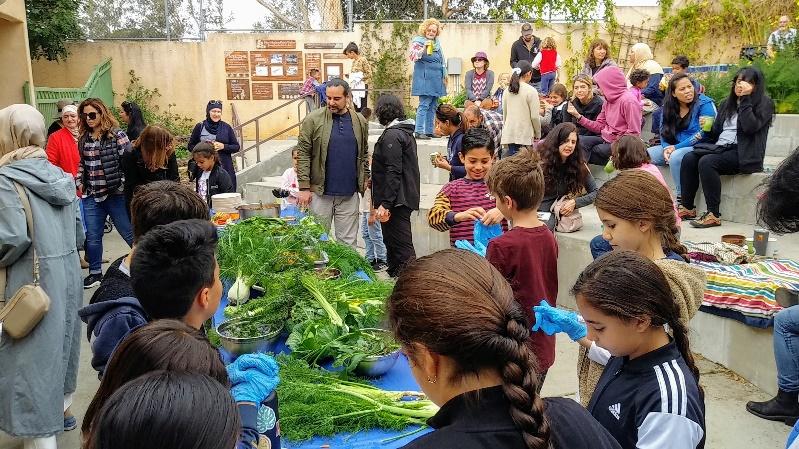
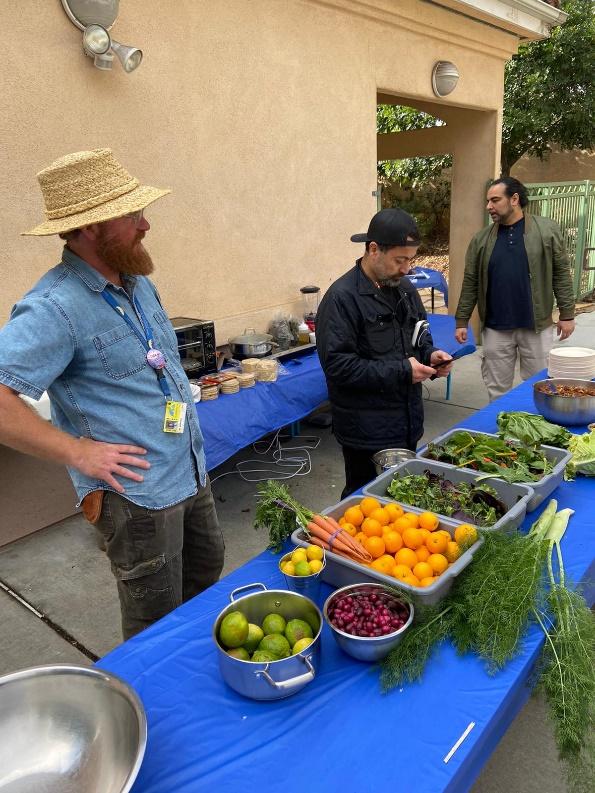
Photos from Previous Culinary Workshop
Renderings